
Your electrical panel controls every watt that flows through your home. When you flip a switch, plug in an appliance, or charge a vehicle, power travels through that central hub. If your system cannot handle demand, you risk outages, damaged equipment, and fire hazards.
Homeowners across Houston increasingly search for an electrical panel upgrade in Houston because modern living pushes older systems beyond their limits. Today’s homes run HVAC systems, induction ranges, high-capacity dryers, smart technology, and electric vehicles. Older panels rarely support that load safely.
Let’s break down how panels work, what overload looks like, and when you should plan an upgrade.
How an Electrical Panel Actually Works
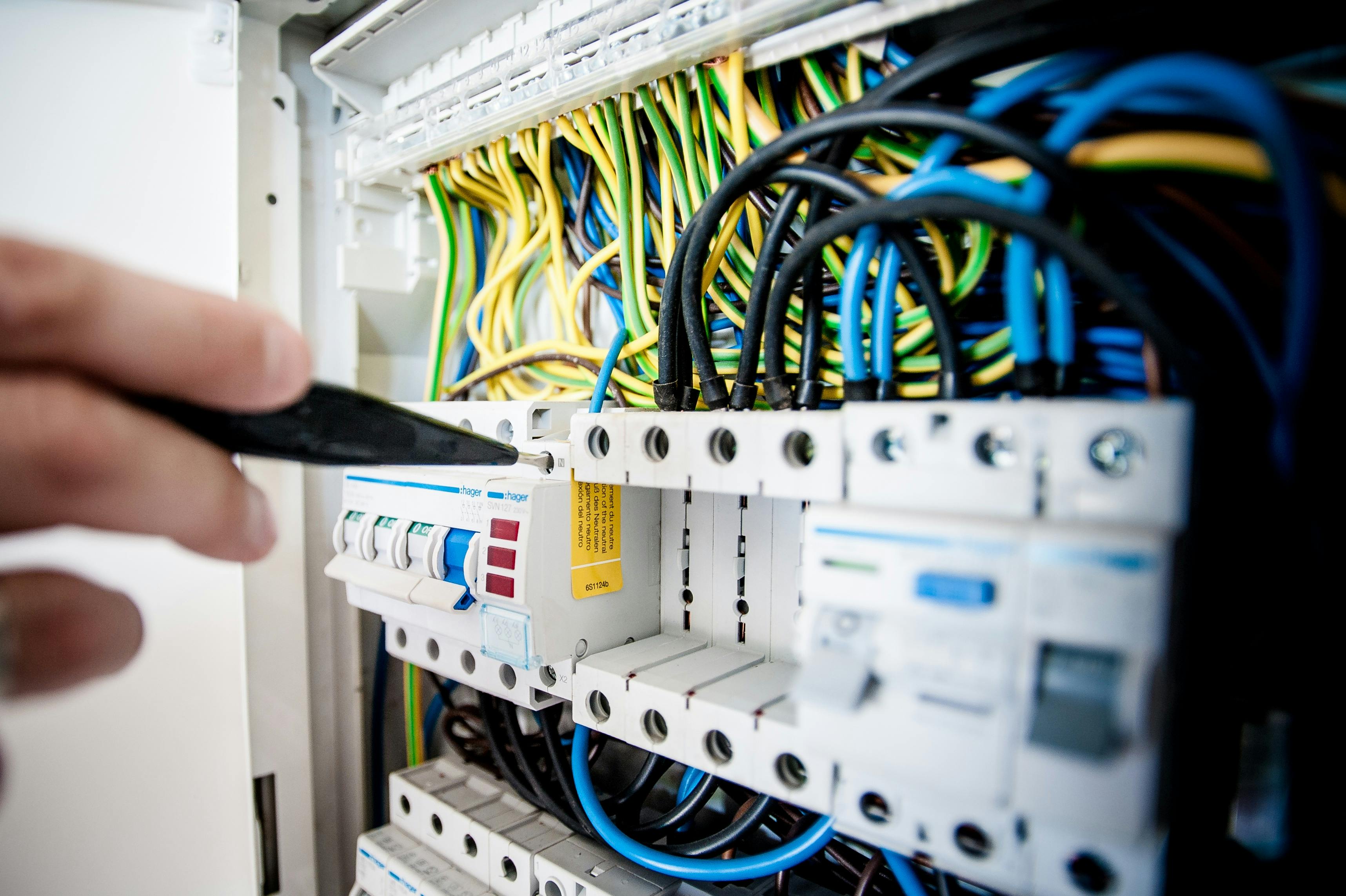
Your utility company delivers power to your meter. From there, electricity flows into your main panel. The panel distributes power into branch circuits throughout your home.
Each breaker controls a specific circuit. When demand exceeds safe capacity, the breaker trips. That action protects wiring from overheating. Without that protection, wires could melt insulation and ignite nearby materials.
Think of your panel as a traffic controller. It directs current where it needs to go and limits the flow when circuits draw too much.
Most homes feature one of these panel capacities:
- 100-amp service– Common in older homes
- 150-amp service– Transitional systems
- 200-amp service– Modern standard
- 400-amp service– Larger homes with high demand
If your home still relies on a 100-amp panel, you likely operate at or near maximum capacity every day.
What Causes Electrical Overload?
Overload occurs when connected devices demand more current than a circuit can safely deliver. That strain forces breakers to trip. If breakers fail or homeowners bypass them, wires overheat.
You might notice overload through:
- Frequently tripping breakers
- Flickering or dimming lights
- Buzzing from the panel
- Warm panel surfaces
- Burning odors near outlets
- Limited space for new breakers
Many Houston homes built decades ago never anticipated electric car chargers, double ovens, tankless water heaters, or home offices filled with equipment.
If you schedule residential electrical services, a professional can measure your actual load and compare it to your panel’s rating. That evaluation reveals whether your system supports current and future needs.
Signs You Need an Electrical Panel Upgrade
You should never ignore warning signs from your electrical system. A panel that struggles today will fail tomorrow.
- Your Panel Lacks Space
If your panel has no open breaker slots, you cannot safely add new circuits. Some homeowners install tandem breakers to squeeze more capacity. That workaround increases strain and reduces safety margins.
- Your Home Still Uses a Fuse Box
Fuse boxes belong in the past. Modern safety standards favor breaker panels because they offer faster, safer shut-off. If you still replace blown fuses, you need an upgrade.
- You Plan Major Renovations
Kitchen remodels, additions, and garage conversions increase the load dramatically. Before construction begins, consult a licensed electrician to confirm your panel can handle new circuits.
- You Install an EV Charger
Level 2 EV chargers draw substantial power. Many require dedicated 240-volt circuits. If your panel already operates near capacity, adding an EV charger without upgrading creates risk.
- Your Home Feels Power Strain
Do lights dim when your AC starts? Does your breaker trip when you run the microwave and dishwasher together? Those symptoms point to insufficient capacity.
When these issues surface, homeowners often pursue an electrical panel upgrade to restore reliability and safety.
Why Modern Homes Demand More Power
Homes today function like small power stations. Consider what a typical household runs daily:
- Central air conditioning
- Electric water heater
- Refrigerator and freezer
- Washer and dryer
- Dishwasher
- Range and oven
- TVs and gaming systems
- Computers and home office equipment
- Smart home hubs
- Security systems
- EV charging
Each device adds load. Combined demand often exceeds what older panels support.
If you plan future improvements, you must factor those into long-term capacity planning. A forward-thinking approach prevents repeated upgrades and unnecessary costs.
How Capacity Planning Protects Your Investment
Capacity planning means you evaluate not only today’s demand but tomorrow’s growth. Instead of upgrading to the bare minimum, you choose a system that accommodates expansion.
For example:
- If you plan to purchase an EV within three years, install a 200-amp panel now.
- If you intend to add a workshop or pool equipment, plan circuits accordingly.
- If you want whole-home surge protection, ensure your panel supports it.
A skilled residential electrician can calculate your total connected load, evaluate usage patterns, and recommend the correct service size.
This approach reduces repeat labor, inspection fees, and downtime.
Future-Proofing for Electric Vehicles
Electric vehicles represent one of the biggest shifts in residential energy use. A Level 2 charger often requires a 40- to 60-amp dedicated breaker.
If your panel already runs near 100 amps of usage, adding that charger pushes you into overload territory. Instead of patching circuits, upgrade strategically.
An electrical panel upgrade prepares your home for:
- Faster charging
- Multiple EVs
- Smart energy management systems
- Solar integration
- Battery storage
Many homeowners combine EV charger installation with broader electrical installation projects to streamline upgrades and reduce disruption.
Safety Should Always Drive the Decision
Electrical failures cause thousands of residential fires every year nationwide. While many factors contribute, overloaded circuits rank among the most common triggers.
You protect your family when you:
- Replace outdated panels
- Eliminate double-tapped breakers
- Upgrade aluminum wiring connections
- Install surge protection
- Ensure proper grounding
Never treat breaker trips as minor inconveniences. They signal system stress.
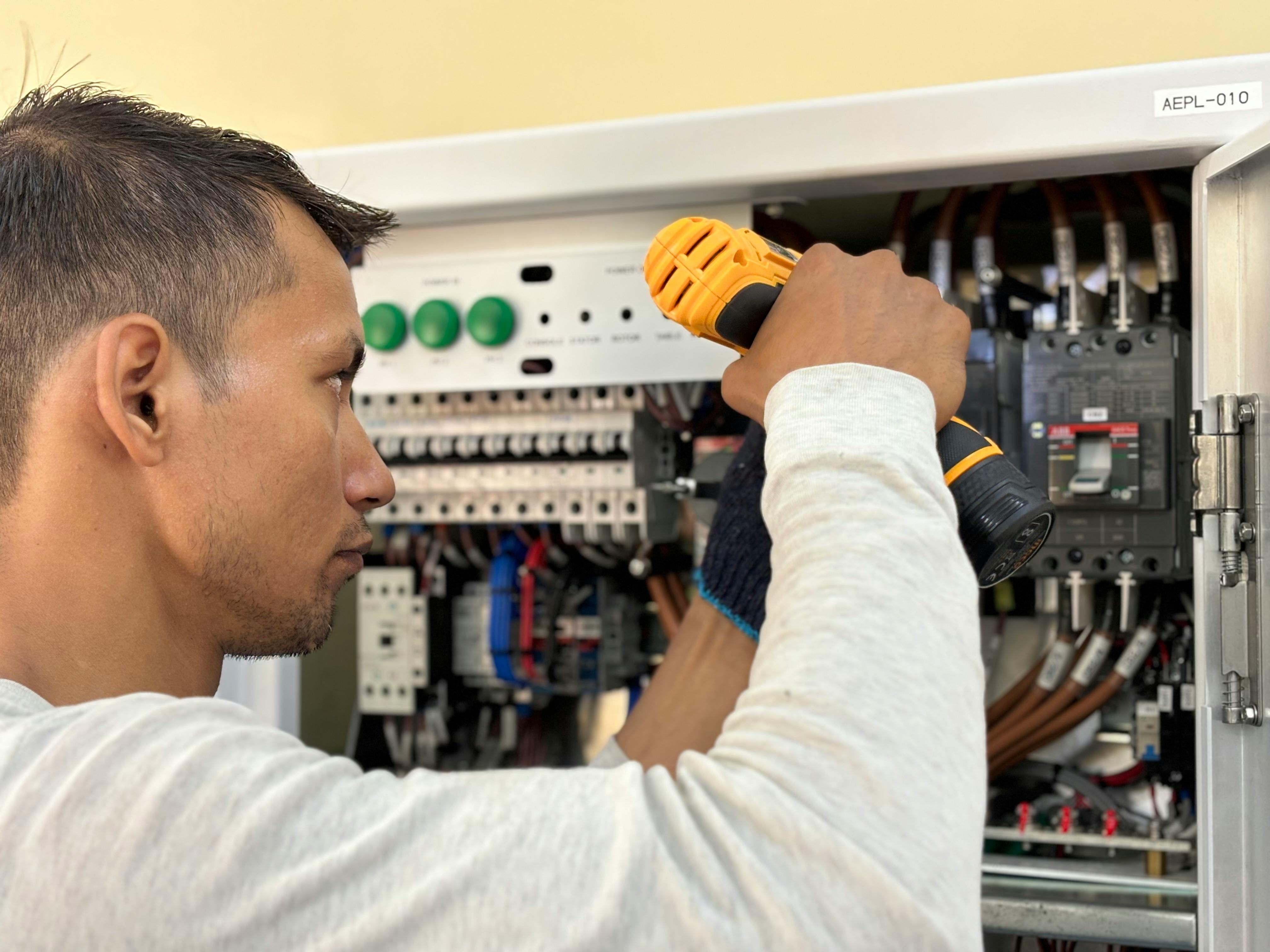
When a licensed electrician inspects your panel, they look for corrosion, improper wiring, heat damage, and outdated components. That professional insight prevents costly emergencies.
When to Take Action
You should act now if:
- Your home is more than 25 years old
- You rely on a 100-amp panel
- Breakers trip regularly
- You plan an EV purchase
- You prepare for a major renovation
- You notice overheating or buzzing
Do not wait for failure. Take control before your system forces an emergency repair.
Upgrade with Confidence with Powered By H
At Powered By H, we help homeowners take control of their electrical future. We deliver complete residential electrical services and dependable guidance from trusted licensed electricians in Houston.
Our team of experienced electrical contractors in Houston evaluates your current load, plans for expansion, and executes every electrical panel upgrade in Houston with precision and care.
If your home needs more power, we stand ready to design a safe, future-ready solution. Contact us today, and let’s build the electrical capacity your home deserves.