
Energy efficiency is no longer just a trend; it’s a necessity for homeowners looking to reduce costs and improve long-term comfort. In fact, the U.S. Department of Energy reports that modern energy codes and upgrades can deliver over 30% energy savings compared to older systems, leading to billions in reduced utility costs nationwide.
For homeowners, working with a licensed electrician residents trust is the first step toward building a safer, more efficient electrical system that performs reliably year after year.
Why Energy Efficiency Matters for Houston Homes
Houston homes face unique demands, long cooling seasons, high humidity, and heavy reliance on electrical systems. Inefficient setups don’t just increase bills; they put unnecessary strain on wiring, panels, and appliances.
Energy-efficient electrical systems improve:
- Monthly utility costs
- System reliability and lifespan
- Indoor comfort and temperature control
- Environmental impact
Professional residential electrical services focus on optimizing how energy flows through your home, ensuring every upgrade delivers measurable value.
Step 1: Start With a Home Energy Audit
Before making upgrades, it’s essential to understand where energy is being wasted. A home energy audit evaluates insulation, wiring, lighting, and overall system performance.
According to ENERGY STAR, homeowners can save around 15% on heating and cooling costs simply by improving efficiency through targeted upgrades.
An audit helps prioritize improvements so you’re not overspending on unnecessary changes. Many electrical contractors use this data-driven approach to build cost-effective upgrade plans.
Step 2: Upgrade to LED Lighting Systems
Lighting is one of the easiest and most impactful upgrades. LED systems:
- Use significantly less energy than traditional bulbs
- Last much longer
- Produce less heat, reducing cooling costs
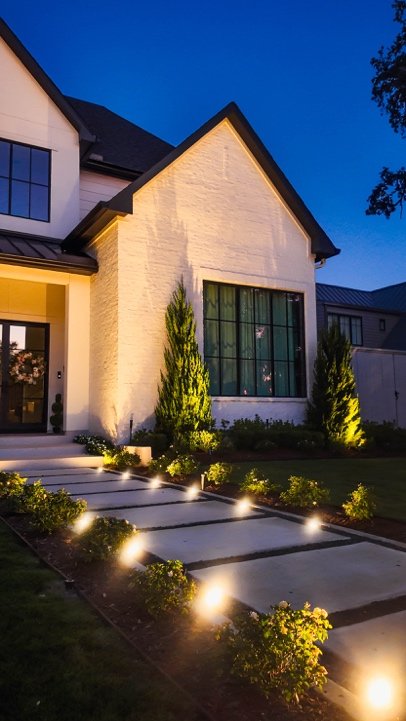
Switching to LED landscape lighting solutions for outdoor areas and modern LED fixtures indoors can dramatically cut energy consumption while improving visibility and aesthetics.
Step 3: Integrate Smart Electrical Systems
Smart technology allows homeowners to control energy use in real time. From smart switches to programmable systems, automation helps reduce waste without sacrificing convenience.
Common upgrades include:
- Smart thermostats
- App-controlled lighting systems
- Timers and motion sensors
These systems are often installed as part of broader electrical installation upgrades, ensuring seamless integration with your existing setup.
Step 4: Reduce Phantom Energy Loads in Your Home
Even when devices are turned off, many still draw small amounts of power; this is known as “phantom” or standby energy use. According to the U.S. Department of Energy, standby power can account for 5–10% of residential energy use, quietly increasing your electricity bill over time.
Common culprits include:
- TVs and entertainment systems
- Phone chargers left plugged in
- Kitchen appliances with digital displays
- Office equipment and routers
Simple solutions can make a noticeable difference. Using smart power strips, unplugging unused devices, and upgrading to energy-efficient appliances helps eliminate unnecessary energy drain. Over time, these small adjustments complement larger upgrades and contribute to a more efficient overall system.
Step 5: Optimize Your Electrical Panel and Circuits
An outdated panel can limit efficiency and create unnecessary energy loss. Modern panels distribute power more effectively and support high-demand appliances without overload.
A licensed electrician can evaluate your current setup and recommend whether a panel upgrade, circuit redistribution, or load balancing is needed. These improvements enhance both performance and safety.
Step 6: Improve Outdoor and Landscape Lighting Efficiency
Outdoor lighting plays a major role in both energy use and curb appeal. Poorly designed systems often waste energy through over-lighting or inefficient fixtures.
Professional landscape lighting design focuses on:
- Strategic placement of fixtures
- Layered lighting for balance
- Energy-efficient LED solutions
Upgrading your outdoor lighting installation setup ensures your home looks great while keeping energy use under control.
Step 7: Plan for Long-Term Energy Savings
Energy-efficient upgrades are not just about immediate savings; they’re long-term investments. The Department of Energy highlights that building efficiency improvements continue to reduce energy costs year after year.
By investing in modern systems now, homeowners can:
- Avoid frequent repairs
- Extend the lifespan of electrical components
- Increase property value
- Reduce future upgrade costs

Step 8: Know When to Call Professionals
While small changes can be DIY-friendly, larger upgrades require professional expertise. Complex systems, panel upgrades, and wiring improvements should always be handled by trained professionals.
If issues arise during upgrades, having access to an emergency electrician ensures problems are resolved quickly without risking safety or delays.
Build a Smarter, More Efficient Home
Energy-efficient electrical systems are about more than saving money; they’re about creating a home that works better every day. With the right strategy, homeowners can reduce energy waste, improve comfort, and future-proof their electrical systems.
Powered by H provides trusted residential electrical services and reliable electrical installation in Houston designed to maximize efficiency and long-term value. Contact us today to start building a smarter, more energy-efficient home.