Every reliable electrical system starts with a central control point. Breaker panels and subpanels are the hub that safely receives power from the utility and distributes it throughout a home or business. When these components are properly designed and maintained, they protect people, equipment, and property while allowing electrical systems to grow alongside modern demands.
Why Breaker Panels Are the Core of Electrical Safety
The main breaker panel regulates how electricity flows into a building and provides critical protection against overloads and short circuits. Each breaker is designed to shut off power when it detects unsafe conditions, reducing the risk of fires and equipment damage. As energy use increases due to new appliances, lighting upgrades, or technology additions, the panel must be sized and configured to handle the load. For any property owner working with a trusted electrician, panel condition is one of the first areas evaluated during an inspection.
Signs a Panel Repair or Upgrade Is Needed
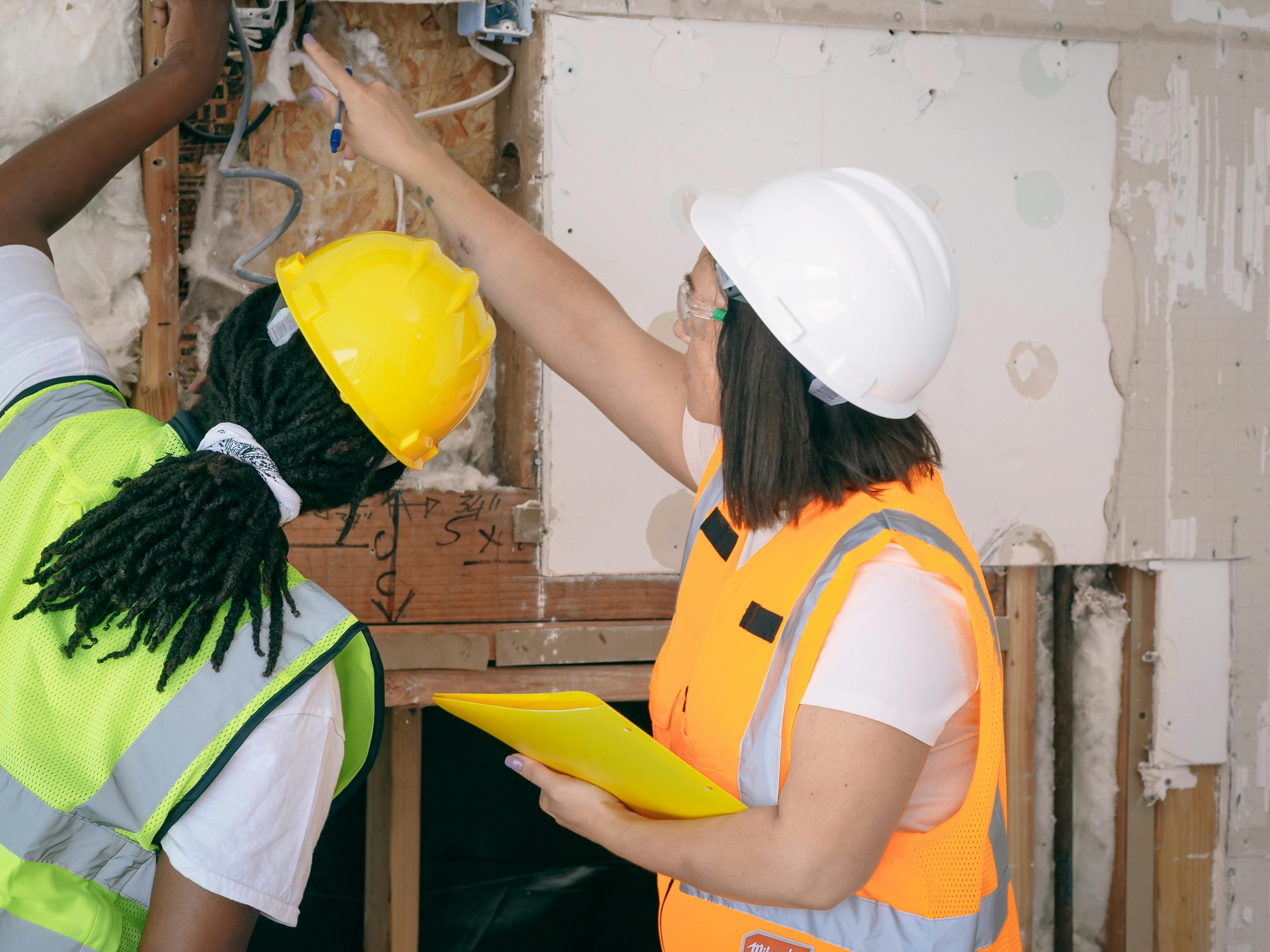
Electrical panels are not designed to last forever. Aging components, corrosion, or outdated designs can compromise safety and performance. Warning signs include frequent breaker trips, flickering lights, warm panel surfaces, or limited breaker space. Older properties may also have panels that no longer meet current electrical codes or capacity requirements. Upgrading the panel restores safety margins and ensures the system can support present-day electrical usage without strain.
The Purpose of Subpanels in Expanding Systems
Subpanels are secondary distribution points connected to the main panel. They are often added when new rooms, additions, garages, or commercial spaces require more circuits than the main panel can efficiently support. Subpanels help balance electrical loads and reduce long wire runs, which improves performance and simplifies maintenance. For growing properties, adding a subpanel is often more practical than replacing the entire main panel, especially when planning for future upgrades.
Managing Power for Homes and Businesses
Residential and commercial properties have different power distribution needs, but both rely on organized, accessible panels. In homes, subpanels are commonly used for workshops, outdoor lighting, or high-demand appliances. In commercial environments, they help isolate equipment loads, reduce downtime during maintenance, and support compliance with safety standards. A well-planned distribution layout done by licensed electrician ensures electricity is delivered where it’s needed without unnecessary stress on the system.
Planning for Future Electrical Demands
Modern electrical systems must account for growth. EV chargers, smart lighting, generators, and surge protection all place new demands on panels and subpanels. Planning capacity during upgrades prevents costly rework later and supports resilience during severe weather events. Thoughtful panel design is not just about today’s needs—it is about preparing for the next decade of electrical use.
Professional Installation and Ongoing Care
Breaker panels and subpanels should always be installed, repaired, or upgraded by licensed professionals. Proper grounding, labeling, and testing ensure the system performs safely under real-world conditions. Routine inspections help catch issues early and extend the life of the electrical infrastructure.
Built for Safety. Designed for Confidence.
We proudly serve homeowners and businesses across Greater Houston with dependable electrical solutions delivered by aelectrician in Houston Texas you can rely on. From diagnostics to full system upgrades, our team provides precise workmanship backed by experience. Discover our approach to quality, explore our residential electrical services in Houston TX, and learn more about Powered by H. When urgent issues arise or expert guidance is needed, call now to connect with our licensed professionals.