
Electrical work in Texas is not something you can afford to guess your way through. Codes exist to keep people safe, protect property, and ensure systems function as intended. Still, many owners rely on quick fixes or unlicensed help, thinking it will save money. Later, they end up calling electrical contractors in Houston that the inspectors recommend after a failed inspection or, worse, an electrical fire.
We have seen homeowners who hired a residential electrician in Houston search results without checking licenses, and business owners who skipped permits to speed up renovations. These choices often lead to expensive repairs, insurance problems, and serious safety risks.
Let’s break down where things usually go wrong.
Skipping Permits to “Save Time”
One of the biggest mistakes property owners make is avoiding permits. It feels like paperwork, delays, and extra fees. But permits are there to make sure the work meets Texas and local city codes.
When permits are skipped:
- Work may not be inspected at all
- Hidden hazards stay buried in walls and ceilings
- Selling the property later becomes harder
- Insurance claims can be denied after an incident
Cities around Texas, including Houston, take this seriously. If unpermitted work is discovered, you may be required to open up finished walls so inspectors can see the wiring. That turns a small shortcut into a major expense.
Using the Wrong Type of Wiring
Not all wiring is rated for every use. Texas heat, humidity, and building types all affect what materials should be used. Property owners often do not realize that indoor wiring, outdoor wiring, and underground wiring all have different requirements.
A common issue shows up with landscape lighting in Houston homes install themselves. People use indoor-rated cables outside because they are cheaper or easier to find. Over time, moisture breaks down insulation, wires corrode, and short circuits happen. That can damage transformers, trip breakers, or even start fires near dry landscaping.
Proper outdoor installations require wiring that is rated for wet locations and burial depth that meets code. These details matter more than most people think.
Overloaded Panels and Circuits
Modern buildings use more power than ever. Between HVAC systems, commercial kitchen equipment, home offices, and EV chargers, electrical demand keeps growing. But many properties still run on older panels that were never designed for today’s loads.
Property owners often add new equipment without upgrading the panel or redistributing circuits. This leads to:
- Frequent breaker trips
- Overheating wires inside walls
- Melted insulation
- Fire risks that are not visible until it is too late
In commercial buildings, this issue is even more serious. A commercial electrician in Houston, business owners trust will calculate loads before adding equipment. Guessing or simply “tying into the nearest circuit” is not code compliant and can shut down operations if an inspector flags it.
DIY Work That Breaks Code
DIY projects are popular, especially for small upgrades like adding outlets or replacing light fixtures. The problem is that the electrical code has many rules that most people do not know.
Some common DIY violations include:
- No GFCI protection in kitchens, bathrooms, or outdoor areas
- No AFCI protection is required in required living spaces
- Loose wire connections outside approved boxes
- Missing grounding and bonding
These mistakes might seem small, but they increase the risk of shock and fire. Inspectors catch these issues quickly during remodels or property sales, and then everything has to be redone.
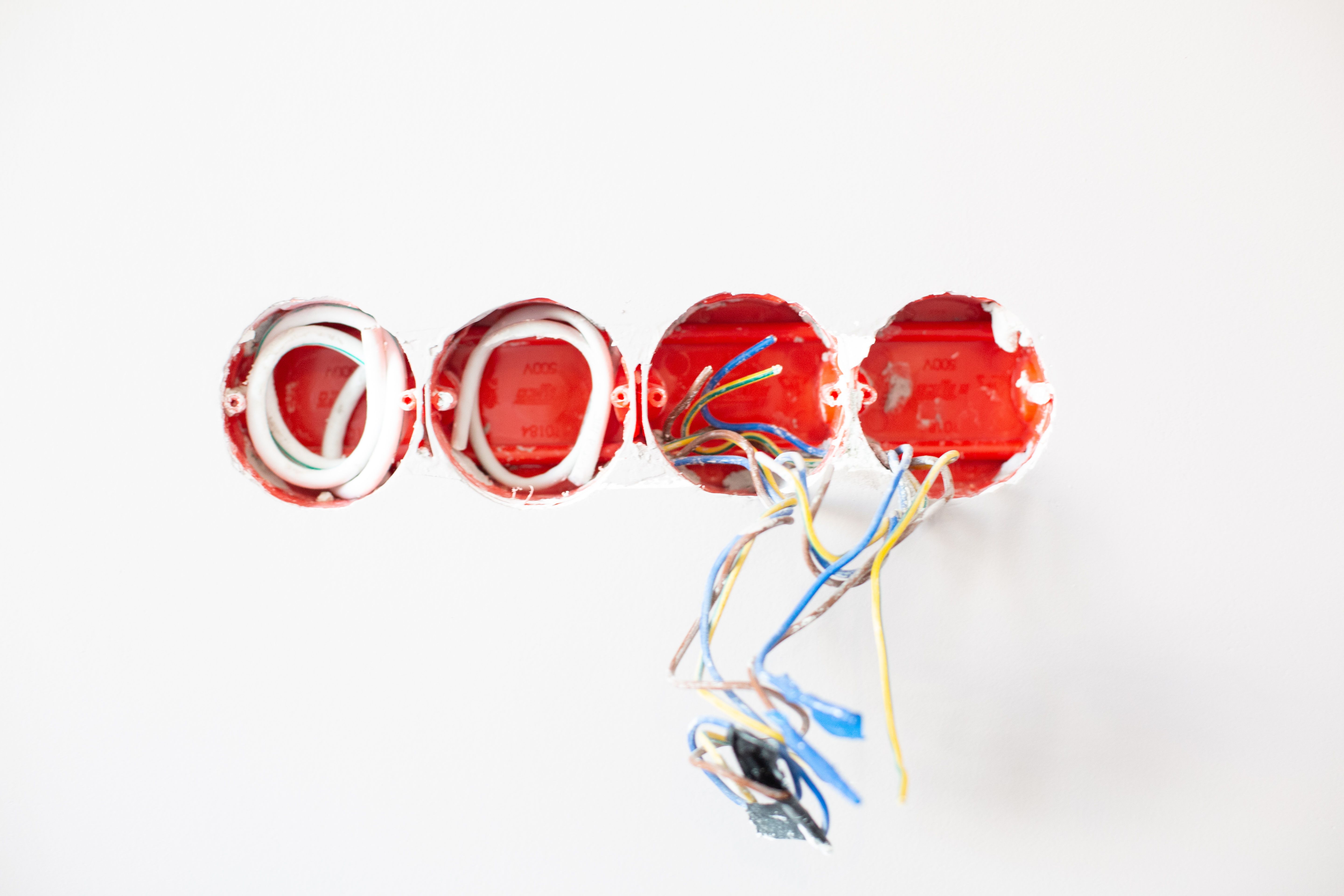
Improper Grounding and Bonding
Grounding and bonding are not the same thing, and both are required for safety. Grounding helps direct stray electrical current into the earth. Bonding makes sure the metal parts of a system stay at the same electrical potential.
Property owners often do not notice problems here because everything seems to “work.” Lights turn on. Equipment runs. But in a fault condition, missing or improper grounding can make metal enclosures energized. That creates a serious shock hazard.
Code requires specific grounding electrode systems, proper bonding of panels, and correct connections for services and subpanels. These are not areas where guesswork is safe.
Not Upgrading During Renovations
Renovations are the perfect time to bring older electrical systems up to current code. Yet many owners focus only on visible changes like paint, flooring, and fixtures.
Electrical code often requires upgrades when certain levels of remodeling happen. That may include:
- Adding arc fault protection
- Upgrading service panels
- Installing tamper resistant outlets
- Bringing grounding systems up to current standards
Ignoring these requirements can cause inspection failures that delay move-ins, tenant occupancy, or business openings.
Hiring Unlicensed or Uninsured Workers
Price is important, but hiring the cheapest option can backfire. Some property owners hire handymen or general contractors to handle electrical work without confirming proper licensing.
In Texas, electrical work must be done by licensed professionals under the right permits. If unlicensed work causes damage or injury, liability can fall directly on the property owner.
It also affects insurance. After a fire or major loss, investigators often check whether electrical work was done legally. If not, coverage can be limited or denied.
Failing to Plan for Inspections
Even when permits are pulled, owners sometimes rush projects and cover up work before inspections happen. Inspectors need to see wiring, connections, and panel setups before walls are closed.
When inspections are missed:
- Drywall may need to be removed
- Project timelines stretch out
- Reinspection fees add up
Planning inspections into the schedule from the start keeps projects moving and avoids last-minute panic.
Why Compliance Is Worth It
Following the electrical code is not just about passing inspections. It protects people, property, and long-term value. Safe, compliant systems:
- Lower fire risk
- Reduce shock hazards
- Support modern power needs
- Make selling or leasing easier
Shortcuts often cost more in the end. Fixing failed inspections, repairing damaged equipment, or dealing with an insurance dispute is far more expensive than doing it right the first time.
Work With the Right Team
If you are planning upgrades, renovations, or new construction, make sure your electrical work meets Texas and local code requirements from day one. At Powered By H, we offer commercial electrical services with experienced electrical contractors in Houston that property owners rely on. Contact us to find a skilled residential electrician in Houston, Texas, today.