
When you plan electrical installation in Houston, you need more than new wiring and outlets. You need a system that supports modern demand. Today’s homes rely on powerful appliances, smart technology, and expanded living spaces. Every upgrade places new pressure on your panel, circuits, and overall capacity.
Before you install high-demand equipment, you must understand what your electrical system can handle.
What Your Electrical System Must Support Before Installing New Appliances
1. Start With Your Electrical Load Capacity
Every home operates on a defined electrical load. Your panel distributes power across circuits, and each circuit supports specific devices. When you add an EV charger, upgrade your HVAC system, or install a second oven, you increase that demand immediately.
A licensed electrician calculates your total load and compares it to your panel’s rating. Many older homes still operate on 100-amp service. Modern households often require 200 amps or more. If your panel cannot support the additional demand, you risk frequent breaker trips, overheating wires, and long-term damage.
Never guess your capacity. Let a residential electrician perform a detailed load calculation before you move forward.
2. Plan Dedicated Circuits for High-Demand Appliances
Large appliances require dedicated circuits. That means the circuit serves only one device. Refrigerators, double ovens, HVAC systems, EV chargers, and tankless water heaters all require their own protected lines.
Dedicated circuits prevent overload. They also protect sensitive equipment from voltage fluctuations. Without proper circuit planning, you force multiple devices to compete for power. That competition stresses your wiring and reduces system reliability.
Professional electrical contractors design circuit layouts that match both current use and future expansion. Smart planning now saves you from costly retrofits later.
3. Evaluate Your Panel Before You Expand
Home additions, garage conversions, and outdoor kitchens change your electrical footprint. Each new square foot demands lighting, outlets, and possibly climate control.
Before you build, confirm that your panel offers enough physical space and amperage capacity. Some panels lack room for additional breakers. Others lack the total power required for expansion.
A residential electrician inspects your panel, wiring condition, grounding system, and surge protection. That inspection ensures your upgrade strengthens your home instead of straining it.
4. Consider EV Chargers and HVAC Upgrades Carefully
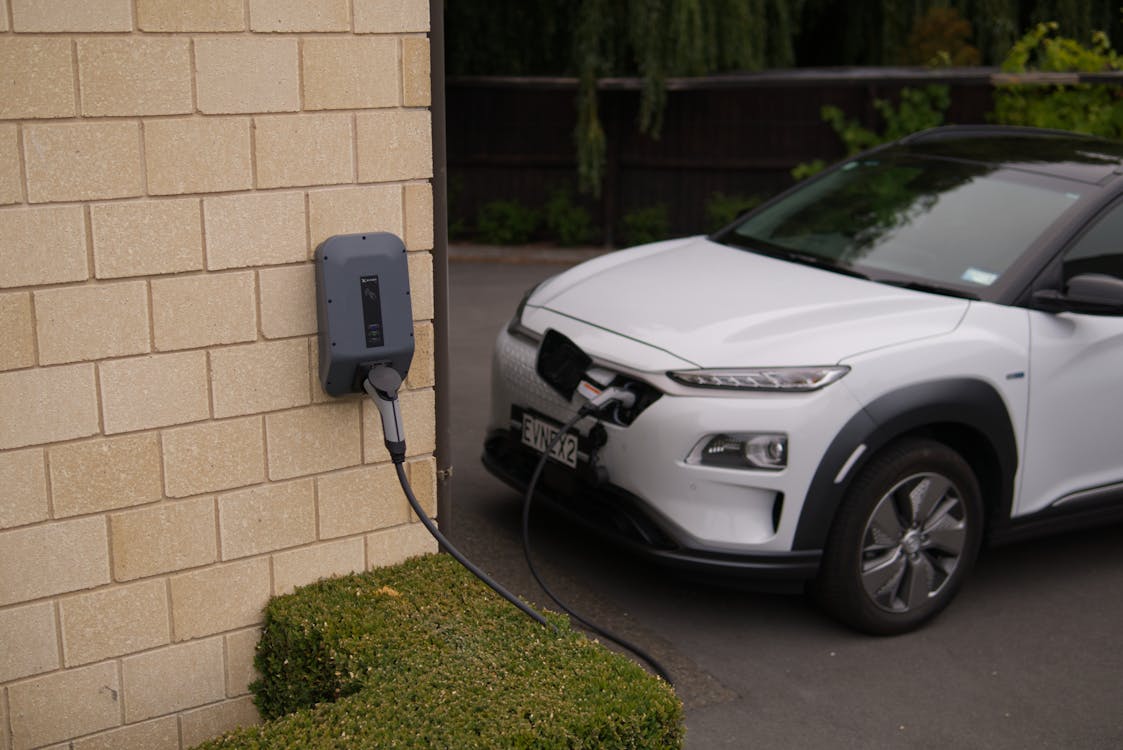
EV chargers draw significant power, especially Level 2 systems. HVAC upgrades also increase demand, particularly high-efficiency systems with variable-speed compressors.
You must coordinate these installations with your overall electrical plan. Many homeowners add one major appliance at a time without reviewing total demand. That approach creates cumulative stress on the system.
Electrical contractors review the full picture. They account for current usage, planned additions, and future goals. This strategy protects your investment and supports long-term performance.
Upgrade With Confidence — Powered By H
At Powered By H, we deliver expert electrical installation in Houston with precision and care. Our licensed electricians team handles panel upgrades, dedicated circuits, and full residential electrical services with a safety-first mindset. As trusted electrical contractors and experienced residential electrician professionals, we design systems that support today’s demand and tomorrow’s growth. Contact us today and let us power your next upgrade the right way.